The Ultimate Printable Moving Checklist PDF
Our ultimate printable moving checklist PDF is your essential, free resource for a truly hassle-free relocation. This comprehensive, customizable, and instantly downloadable guide ensures nothing is forgotten, making your transition smooth and organized from start to finish.
Benefits for a Stress-Free Relocation

Moving is inherently overwhelming, a mix of excitement and significant stress, with countless to-dos. Our printable moving checklist PDF acts as an indispensable tool, meticulously designed to transform this complex process into a manageable, stress-free experience. It serves as your comprehensive guide, ensuring you stay organized and reduce anxiety from the initial planning stages right through to settling into your new home.
By providing a structured timeline and covering every essential task, the checklist minimizes the risk of forgetting crucial steps, a major source of moving stress. It empowers you to approach your relocation with confidence, knowing every detail has been accounted for. This versatile resource saves precious time, enhances efficiency, and guarantees a well-coordinated move, allowing you to focus on the excitement of a new chapter rather than the burden of logistics. Make your transition smoother, avoiding the scramble and ensuring a truly hassle-free journey to your new residence.
Key Features: Comprehensive & Customizable
Our printable moving checklist PDF stands out with its truly comprehensive nature, ensuring every aspect of your relocation is covered. It features an extensive 55 pages, meticulously detailing tasks for individuals, families, or professionals. This includes a detailed home inventory, room-by-room checklists, and essential moving labels, leaving no stone unturned before, during, and after your move. Designed for maximum utility, it is suitable for both house and apartment moves, and even incorporates specific considerations for out-of-state relocations, recognizing the unique challenges involved. Crucially, this checklist is fully customizable. You are empowered to edit and adapt it precisely to your specific needs and circumstances, ensuring a truly personalized and efficient moving experience. This adaptability allows you to tailor the guide, making it uniquely yours and perfectly suited to your distinct moving journey, streamlining the entire process effectively.

Accessing Your Printable Checklist
Gain instant access to our free Moving Checklist Printable PDF today! It’s an instant download, provided as a ZIP file containing A4 and A5 sizes, ready for you to print and begin organizing your stress-free move.
Instant Download and Format Details

Accessing your ultimate printable moving checklist PDF is designed for immediate convenience. Upon completion, you will receive an instant download, ensuring no waiting time or physical items shipped. This valuable resource is delivered as a comprehensive .ZIP file, which contains a robust 55 pages of meticulously crafted moving checklist content. The versatility of our offering is highlighted by its availability in both popular A4 and A5 sizes, catering to various printing preferences and binder compatibility. Whether you prefer a compact checklist for on-the-go planning or a larger format for detailed annotation, our PDF is perfectly scaled. Simply download, extract the PDF files, and print as many copies as you need. This digital format allows for seamless integration into your planning process, whether you choose to use it digitally on a device or as a tangible printed guide. It’s an efficient, ready-to-use solution to kickstart your organized relocation journey without delay.
Utilizing a Moving Binder
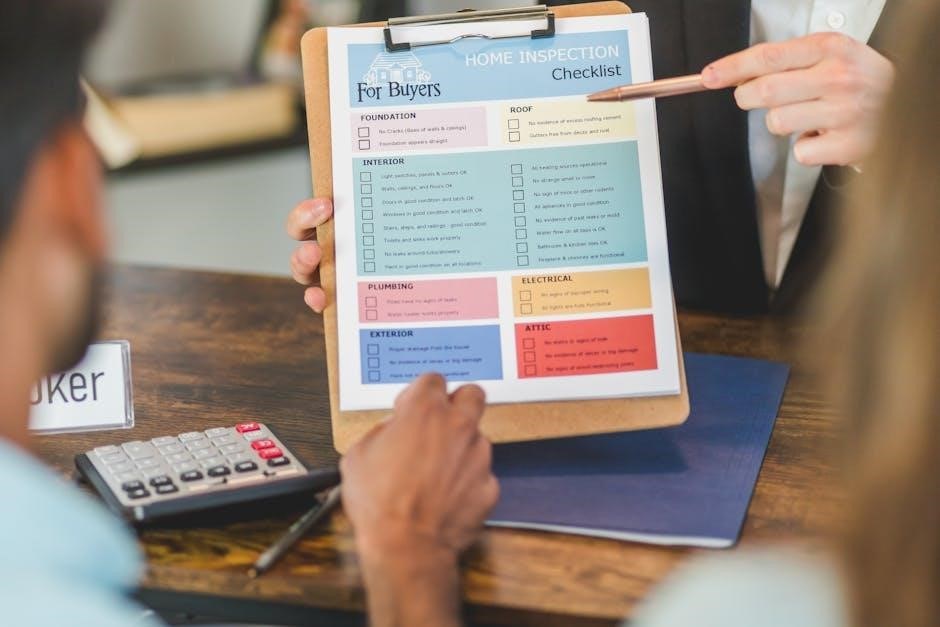
Creating a dedicated moving binder is paramount for a streamlined and organized relocation, serving as a central hub for all your essential documents and checklists. As advised by experienced movers, setting up this binder well in advance can be a true lifeline, preventing frantic searching and forgotten details. Begin by printing your comprehensive printable moving checklist PDF and integrating it directly into your binder. This physical compilation allows you to organize all critical moving documents, such as quotes from removalists, insurance papers, utility transfer confirmations, and important personal records like birth certificates and passports. The binder becomes a single, accessible repository for identifying appointments, tracking inventory, and noting furniture measurements. It ensures that vital information is always at your fingertips, reducing stress and making the entire moving process significantly more manageable. Don’t scramble for readiness; let your moving binder do the heavy lifting, providing clarity and control throughout your journey.
Your Moving Timeline: What to Do When
A well-structured moving timeline is crucial for a stress-free relocation. Our comprehensive printable checklist breaks down tasks into manageable stages, guiding you on what to do and when, ensuring a perfectly organized transition to your new home.
8 Weeks Before Your Move
Eight weeks prior to your move marks the critical starting point for a well-organized relocation. Begin by meticulously setting your budget, outlining all likely costs to ensure a comprehensive financial plan. Next, decide on your preferred move type: do-it-yourself, a full-service moving company, or a hybrid option like moving containers. Comparing at least three mover quotes is highly recommended to secure the best price and service. Simultaneously, initiate the vital decluttering process, tackling one room at a time. Sort items into categories for selling, donating, recycling, or discarding. This early purge significantly reduces the volume of belongings, making your move faster and cheaper. For peak-season moves (May-September), reserving reputable movers eight weeks in advance is essential to guarantee your desired date. Start decluttering less-used areas, such as storage or guest rooms, to spread out the effort and prevent last-minute stress. This proactive approach ensures a confident start to your moving journey.
6 Weeks Before Your Move
Six weeks out is the ideal time to focus on ordering all necessary packing supplies. Plan for roughly 10-12 small, 8-10 medium, and 5 large boxes per furnished bedroom, adding extras for garages, attics, or extensive collections. Don’t forget essentials like packing tape, bubble wrap, markers, and labels. With supplies in hand, begin packing low-priority areas or seldom-used rooms first. This includes guest rooms, seasonal decor, books, and items from storage, attics, or basements. This gradual approach prevents last-minute overwhelm. It’s also crucial to photograph high-value items before packing them. This serves as an inventory for your records and potential insurance claims. Start drafting a comprehensive list of all individuals, government agencies, and businesses you’ll need to inform about your change of address. This proactive approach ensures a smoother process for transferring services and updating contacts, thereby avoiding any missed notifications later on. This stage is pivotal for setting a steady and organized pace for the remainder of your move.
1 Month Before Moving
With one month remaining until your move, it’s imperative to finalize critical logistical details. Confirm and reserve your specific moving date with your chosen moving company, especially if you’re relocating during peak season, where bookings fill quickly. Simultaneously, make all necessary travel arrangements if your move involves flying or requires hotel accommodations before or during the transition. This ensures seamless transportation for everyone involved. A crucial task at this stage is to gather and pack all vital documents, including birth certificates, passports, medical records, and important financial papers, into a designated box or bag that will stay with you personally. These essential items must be easily accessible. Furthermore, dedicate time to planning the furniture layout for your new home, which aids in a more efficient unloading process. Continue packing items from seldom-used rooms, such as guest bedrooms or decorative storage, systematically reducing the volume of belongings left for the final weeks. This methodical approach streamlines the entire moving operation, preventing eleventh-hour rushes.
2-3 Weeks Before Moving Day
As your moving date approaches, the two to three-week mark is pivotal for finalizing essential logistical arrangements and intensifying your packing efforts. Crucially, this is the time to schedule the transfer of all utilities and services. Contact your providers for electricity, gas, water, trash, internet, and television to arrange precise stop dates for your current residence and activation dates for your new home. Proactive scheduling ensures uninterrupted service and prevents any discomfort during your transition. Continue packing diligently, now focusing on areas used regularly but not daily, such as home offices, dining rooms, or guest areas. Ensure all boxes are clearly labeled with contents and their designated room in your new place for efficient unpacking. Furthermore, initiate your official change of address with the postal service and begin updating key contacts, including banks, insurance companies, and subscription services, to reflect your new residency. This period is vital for securing a seamless and well-prepared relocation.

Essential Moving Preparations
Thorough preparation is key for a smooth move. This involves strategic decluttering, meticulous inventory management, booking reliable movers, securing packing supplies, notifying essential contacts, changing your address, and diligently transferring all necessary utilities.
Decluttering and Inventory Management
Effective decluttering and meticulous inventory management are foundational steps for any successful move. Begin this crucial process early, ideally six to eight weeks before your moving date, by addressing storage areas like attics, basements, and garages. As the move approaches, transition to less frequently used rooms such as guest bedrooms or formal dining areas around the four-week mark. Reserve daily-use spaces, like kitchens and master bedrooms, for the final week. Systematically go room by room, sorting every item. Categorize them for selling, donating, recycling, or disposal to significantly reduce what you need to move. Remember, less to move means a faster, cheaper, and less stressful relocation. Concurrently, create a comprehensive home inventory, perhaps using a detailed room-by-room checklist from your printable moving guide. This not only helps track belongings but also allows for photographing high-value items, which is essential for insurance documentation. This structured approach ensures every possession is accounted for and only necessary items make the journey to your new home, streamlining the entire packing and unpacking experience.
Booking Movers and Packing Supplies
Securing reliable movers and gathering sufficient packing supplies are pivotal actions for a well-executed move. Begin by establishing your moving budget and determining your preferred move type, whether it’s a do-it-yourself approach, a full-service relocation, or a hybrid solution like moving containers. It is crucial to reserve reputable movers well in advance; aim for eight weeks before a peak-season move (May-September) and at least four weeks ahead during the off-season. This early commitment increases your likelihood of securing your desired date and a favorable price. Always compare at least three mover quotes to ensure you select the best fit for your needs and budget, remembering to inquire about insurance for your belongings. Concurrently, it’s time to order your packing supplies. A practical estimate suggests roughly 10-12 small, 8-10 medium, and 5 large boxes per fully furnished bedroom. Adjust this quantity if you have additional storage areas like a garage, attic, or extensive collections. Proactive procurement of these materials ensures you are fully equipped as packing commences, contributing to a smoother, more organized process.
Notifying Contacts and Changing Address
An essential step in any relocation is systematically notifying all relevant contacts and officially changing your address. Begin by submitting your postal change-of-address form, which can be done conveniently online or directly at the post office. This ensures that your mail is redirected to your new residence without interruption. Following this, a comprehensive update of your new address across various personal and professional accounts is imperative. This includes notifying your banks, financial institutions, and all current subscriptions to magazines, streaming services, and other regular deliveries. Furthermore, it is critical to update your driver’s license, vehicle registration, and insurance policies to reflect your new living situation. Don’t overlook any professional licenses you hold, as these often require prompt address changes. Creating a personal checklist of all the people, government agencies, and businesses you need to inform will ensure no important contact is missed. This proactive approach minimizes potential disruptions and helps you settle into your new community with peace of mind, knowing all your important affairs are in order and up-to-date.
Utilities and Services Transfer
Ensuring a smooth transition of essential utilities and services is paramount for settling into your new home without disruption. It is crucial to schedule the stop-dates for your current services and the start-dates for your new address approximately two to three weeks in advance. This proactive measure guarantees you won’t spend a night without fundamental necessities such as electricity, gas, and water. Furthermore, arrange for the transfer or installation of your internet and television services well before moving day. Contact your providers for electricity, gas, water, and trash collection to confirm the exact dates for discontinuation and activation. By planning these transfers ahead of time, you prevent any last-minute scramble or potential outages, allowing you to enjoy immediate comfort and functionality in your new residence. Maintaining a meticulous record of all service appointments and confirmation numbers in your moving binder will prove invaluable. This organized approach ensures all vital household services are operational upon your arrival, making your new home immediately livable and comfortable.

Smart Strategies for Your Move

Unlock smarter ways to manage your relocation. Discover efficient packing, effective cost-saving measures, and crucial considerations for out-of-state moves, streamlining your entire moving experience successfully.
Efficient Packing Tips
Efficient packing transforms the moving process from overwhelming to manageable. Start by acquiring all necessary packing supplies early. A key strategy is to begin with low-priority areas, such as storage units, attics, or guest rooms, approximately six to eight weeks prior to your move. Transition to seldom-used rooms, like decor spaces, around four weeks out. Dedicate the final week to daily-use areas, including the kitchen and bedrooms. This phased method prevents last-minute stress and ensures an organized flow. Photographing high-value items before packing is advisable for inventory and insurance. Accurately estimate box requirements: approximately 10-12 small, 8-10 medium, and 5 large boxes per fully furnished bedroom. Adjust for garages, attics, or extensive collections. These strategies ensure secure, efficient packing, simplifying unpacking and reducing overall moving hassle.
Cost-Saving Measures
Moving doesn’t have to break the bank, and implementing smart cost-saving measures can significantly reduce financial strain. Begin by setting a clear, written budget, meticulously listing all potential expenses to gain a comprehensive understanding. A crucial step is decluttering room by room, sorting items to sell, donate, recycle, or discard. The fewer belongings you transport, the faster and cheaper your relocation will be, directly impacting moving costs. Opt for a do-it-yourself, full-service, or hybrid moving container option after careful budget comparison. Source free or reused packing boxes from local stores or community groups instead of purchasing new ones. Always compare at least three quotes from reputable moving companies to secure the best price and service. Additionally, inquire about potential employer relocation reimbursement or applicable tax deductions. Planning ahead and being resourceful are paramount to minimizing the financial burden of your move.
Out-of-State Moving Considerations
Moving out of state presents unique challenges that demand more detailed planning than a local relocation. The greater distance inherently means increased logistics for transportation, potentially longer transit times for belongings, and a strong need for robust insurance coverage. It’s crucial to thoroughly research and understand the legal and regulatory differences between your current and new states, which can impact everything from vehicle registration and driver’s licenses to professional licenses and even pet regulations. Begin these investigations well in advance. Consider the implications for utilities and services, as transfer processes might vary significantly across state lines. Booking reputable movers for long-distance hauls requires even earlier reservations, ideally eight weeks out during peak season. Furthermore, planning for temporary accommodation upon arrival and ensuring vital documents are easily accessible becomes paramount. These additional considerations are essential for a smoother transition and settling into your new environment with ease, mitigating the complexities of a long-distance relocation.

Your First Night Essentials Box
Prepare a vital first night essentials box with immediate kitchen items, bathroom comforts like toiletries and towels, and bedroom basics such as sheets and pillows. Mark it clearly for immediate access upon arrival.
Kitchen Items for Immediate Use
Upon arriving at your new home, having readily accessible kitchen items is absolutely paramount for significantly reducing immediate stress and fostering a truly vital sense of comfort and stability. Your first night essentials box should thoughtfully contain key elements for basic sustenance. Include a coffee maker or kettle for that much-needed morning pick-me-up or a relaxing evening tea after arduous moving efforts. Pack one versatile pan, perfect for preparing simple, quick meals without delving into countless boxes. Basic utensils, along with a few durable plates and cups, are also critically essential, ensuring you can eat and drink properly without relying on disposable alternatives. Crucially, remember dish soap and paper towels for instant cleanup, maintaining hygiene and order in your pristine new space. These specific items facilitate a smoother transition, allowing you to quickly settle into a basic routine. This strategic packing prevents unnecessary scrambling for fundamental necessities when exhaustion inevitably sets in, making your first night significantly more manageable.
Bathroom Comforts

Ensuring immediate bathroom comforts is paramount for a refreshing start in your new home after a long moving day. Your first night essentials box should prominently feature all necessary toiletries, allowing you to freshen up without rummaging through countless boxes. Include toothbrushes, toothpaste, soap, shampoo, and any personal hygiene items you use daily. Soft, clean towels are also indispensable for a relaxing shower, providing a sense of normalcy and cleanliness amidst the chaos of unpacking. Crucially, do not forget the toilet paper; it’s a fundamental necessity often overlooked but vital for immediate use. Furthermore, if your new bathroom lacks one, a shower curtain is essential for privacy and preventing water from splashing everywhere during your first shower. These thoughtful inclusions significantly enhance your initial experience, transforming a potentially stressful arrival into a more comfortable and dignified transition. Marking this box clearly ensures it’s easily accessible the moment you step through the door.
Bedroom Basics for Rest
After a demanding moving day, securing a comfortable night’s sleep is crucial for rejuvenating your energy. Your first night essentials box must contain the fundamental bedroom items to facilitate immediate rest. Prioritize clean sheets, ensuring you have a full set for each bed you plan to assemble and sleep in on the first night. Soft pillows are equally indispensable for head and neck support, making a significant difference in your ability to relax. Don’t forget your pajamas or comfortable sleepwear, allowing you to change out of your moving clothes and truly unwind. These seemingly simple items contribute immensely to mental well-being and a sense of normalcy amidst the chaos. Mark this box distinctly with “First Night ⎯ Bedroom” so movers know to unload it promptly and you can access it without delay. Having these basics readily available transforms a potentially uncomfortable first night into a much-needed opportunity for peaceful slumber, setting a positive tone for settling into your new home.