Converting from a manual to an automatic transmission is a complex undertaking, often driven by preference or necessity.
Historically simpler, modern conversions present unique challenges due to electronic controls and diminishing parts availability.
Reddit discussions and forums highlight the increasing cost and complexity, while Quora emphasizes the shift in manufacturer practices.
Considering trade-in value versus conversion costs is crucial for a financially sound decision.
Jeep Wrangler forums suggest that swapping can be expensive, and a vehicle trade-in might be a more practical solution.
Understanding these factors is vital before embarking on this significant automotive modification.
Overview of the Conversion Process
The conversion fundamentally involves removing the existing manual transmission, clutch, and related components. Subsequently, an automatic transmission, torque converter, and necessary supporting hardware are installed.
Crucially, this requires adapting the vehicle’s wiring harness and integrating a new electronic control unit (ECU) to manage the automatic transmission. Mechanical adjustments, like the shifter linkage, are also essential.
Reddit and Quora sources indicate this is no longer a straightforward swap, demanding specialized knowledge and potentially extensive modifications for compatibility.
Why Convert? Benefits and Drawbacks
Converting to an automatic transmission often prioritizes driver convenience, particularly for those facing physical limitations or frequent stop-and-go traffic. However, this typically comes at the cost of reduced driver engagement and potentially lower fuel economy.
Forums suggest some prefer automatics, but acknowledge the diminished driving experience. The financial aspect is a significant drawback, as conversion costs often exceed the value gained.
Ultimately, the decision hinges on individual needs and a careful evaluation of the trade-offs involved.
Assessing Vehicle Compatibility
Determining compatibility is crucial; older vehicles had more readily available parts for swaps. Modern cars pose challenges due to integrated electronic systems and limited donor options.
Thorough research is needed to confirm parts availability and ensure a feasible conversion for your specific vehicle model.
Identifying Suitable Vehicles for Conversion
Vehicles originally offered with both transmission types are prime candidates, simplifying parts sourcing. Older models, pre-1980s, generally present fewer hurdles due to less complex electronic integration.
However, even with shared options, thorough investigation is vital. Consider models where a substantial community exists, offering support and readily available conversion resources.
Vehicles with limited aftermarket support or unique electronic systems may prove prohibitively difficult and expensive to convert successfully.
Availability of Conversion Kits and Parts
Complete conversion kits are increasingly rare, particularly for newer vehicles, forcing builders to source components individually. Automatic transmissions, ECUs, pedal assemblies, and shifters require careful matching.
Used parts from donor vehicles are common, but condition varies. Online forums and retailers offer some components, though availability fluctuates. Expect potential delays and compatibility challenges.
Rebuilt transmissions provide a balance of cost and reliability, but thorough inspection is crucial before purchase and installation.
Cost Breakdown: A Detailed Estimate
Conversion costs vary widely, encompassing labor, parts (transmission, ECU), fluids, and potential modifications. Reddit suggests 7 labor hours, while Quora notes rising expenses.
A thorough estimate is crucial, factoring in unforeseen issues and the vehicle’s specific requirements for a successful and budget-conscious conversion.
Labor Costs: Mechanic Rates and Time Estimates
Mechanic labor represents a significant portion of the conversion cost, varying by location and shop expertise. Reddit discussions indicate approximately 7 hours for a complete swap, including clutch and selector work.
Hourly rates typically range from $80 to $150, potentially totaling $560 to $1050 for labor alone. Complex wiring and ECU integration can extend these time estimates, increasing overall costs.
Obtaining multiple quotes from qualified shops is essential for accurate budgeting and comparison.
Parts Costs: Transmission, ECU, and Supporting Components
Automatic transmission costs vary widely, from $800 for used to $3,000+ for new or rebuilt units. A compatible ECU is crucial, potentially adding $500-$1500 depending on the vehicle.
Additional components like a new shifter, pedals, and wiring harnesses can range from $300 to $800. Sourcing these parts requires diligent research and comparison shopping for optimal value.
Don’t forget fluids and potentially a new driveshaft, adding to the overall parts expenditure.
Additional Expenses: Fluids, Wiring, and Potential Modifications
Beyond core components, budget for transmission fluid ($100-$200), coolant, and potentially brake fluid. Wiring modifications, including harness integration, can easily exceed $300, requiring specialized tools and expertise.
Unexpected modifications, like driveshaft adjustments or pedal assembly alterations, may arise during installation, adding $200-$500 to the total cost.
Thorough inspection and preparation are key to minimizing these unforeseen expenses.
Sourcing Parts: New, Used, and Rebuilt Options
Finding a compatible automatic transmission involves exploring new, used, or rebuilt options. Used transmissions are cheaper but risk hidden issues, while rebuilt units offer a balance of cost and reliability.
Locating the correct ECU and supporting components requires diligent searching and verification of compatibility.
Finding a Compatible Automatic Transmission
Sourcing the correct automatic transmission is paramount, demanding careful research into model-specific compatibility. Online marketplaces and salvage yards offer used options, but verifying condition is crucial.
Rebuilt transmissions provide enhanced reliability, though at a higher cost. Consider the vehicle’s year, make, and engine type when searching, ensuring proper fitment and functionality. Donor vehicles can be a source, but require thorough inspection.
Locating Necessary Electronic Control Units (ECUs)
Automatic transmissions require a dedicated ECU for operation, adding complexity to the conversion. Sourcing a compatible ECU, often model-year specific, is vital for seamless integration.
Used ECUs are available, but may require reprogramming or compatibility checks. New ECUs offer reliability but come at a premium. Proper wiring harness integration is essential for correct functionality and avoiding electrical issues.
Sourcing Pedals, Shifters, and Other Required Components
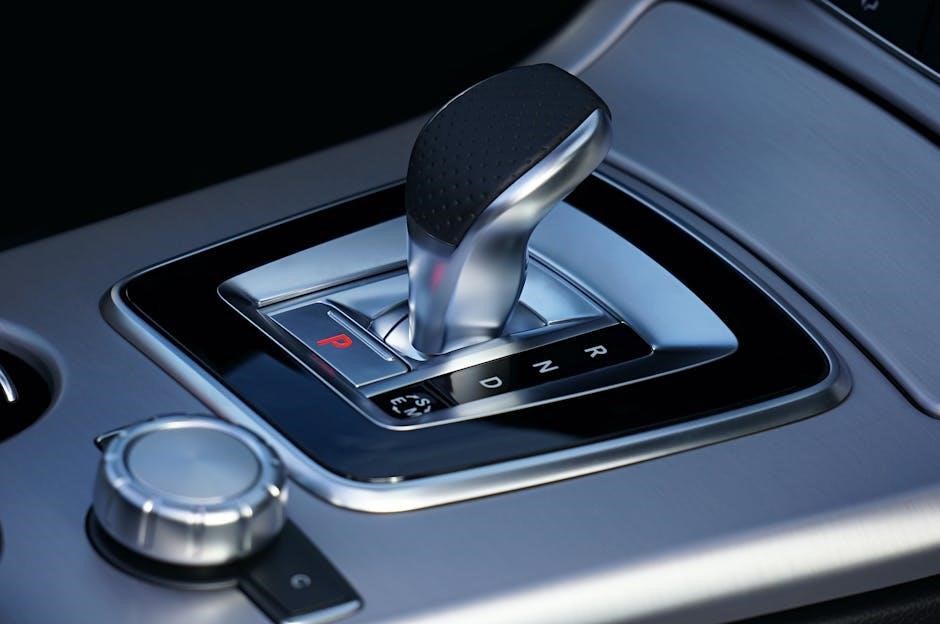
Converting necessitates acquiring automatic-specific components like a shifter assembly, potentially a new brake pedal (removing the clutch), and associated cabling. Finding these parts can be challenging, especially for older vehicles.
Salvage yards and online marketplaces are viable options, but verifying compatibility is crucial; New parts offer guaranteed fitment but increase overall conversion costs significantly.
The Conversion Process: Step-by-Step Guide
The process involves removing the manual transmission, installing the automatic, and integrating the new shifter and associated components.
Wiring and ECU adjustments are critical for proper function.
Removing the Manual Transmission
Initial steps require disconnecting the driveshaft, shift linkages, and all wiring connected to the manual transmission. Support the engine from above to prevent dropping when the transmission is removed.
Carefully detach the transmission from the engine, ensuring all bolts are cleared.
Lower the manual transmission cautiously, utilizing a transmission jack for safety and control. Inspect the flywheel and clutch assembly for wear, as these may need replacement or adaptation for the automatic.
Installing the Automatic Transmission
Carefully raise the automatic transmission with a transmission jack, aligning it with the engine mounting points. Ensure proper alignment before gently pushing the transmission into place.
Securely bolt the automatic transmission to the engine, tightening bolts to the manufacturer’s specifications.
Reconnect the driveshaft, taking note of any necessary adjustments for length or angle. Install the new transmission cooler lines and prepare for the wiring and ECU integration phase.
Wiring and ECU Integration
Connect the automatic transmission’s wiring harness to the vehicle’s electrical system, ensuring all connections are secure and properly insulated. Install and configure the new Electronic Control Unit (ECU) to manage the automatic transmission’s operation.
Address any necessary software updates or reprogramming to ensure compatibility. Thoroughly test all transmission functions, including gear selection and shift points, to verify correct operation.
Potential Challenges and Troubleshooting
Expect electrical issues, mechanical fitment problems, and drivetrain incompatibility during conversion. Diagnose and resolve these with careful testing and potentially specialized tools.
Address any unforeseen complications promptly to ensure a safe and reliable automatic transmission operation.
Electrical Issues and Compatibility Problems
Integrating the automatic transmission’s ECU with the vehicle’s existing system often presents significant hurdles. Wiring discrepancies and sensor compatibility are common concerns, requiring careful attention to detail.
Troubleshooting may involve diagnosing communication errors between the ECU and other vehicle systems. Ensure proper grounding and voltage levels to avoid damaging electronic components. Consider professional assistance for complex wiring modifications.
Mechanical Fitment and Alignment Concerns
Automatic transmissions often differ in size and mounting points compared to manual counterparts, necessitating potential modifications to the transmission tunnel or crossmember. Proper alignment of the engine and transmission is crucial to prevent vibrations and premature wear.
Driveshaft length may require adjustment, and ensuring correct U-joint angles is vital for smooth operation. Carefully inspect for interference with other components during installation.
Addressing Drivetrain Compatibility
Automatic transmissions have different gear ratios than manuals, potentially impacting the final drive ratio’s suitability. Consider whether the existing differential will complement the new transmission for optimal performance and fuel economy.
Ensure the automatic transmission’s torque capacity matches the engine’s output. Investigate potential needs for a different flexplate and starter motor compatible with the automatic.
Legal and Safety Considerations
Modifications require adherence to local regulations and inspection standards. Prioritize safe operation by ensuring all connections are secure and the system functions reliably.
Verify compliance with vehicle codes to avoid legal issues post-conversion, focusing on braking and steering systems alongside the drivetrain.
Local Regulations and Inspection Requirements
Before beginning, research your state and local laws regarding transmission swaps. Many jurisdictions require inspections to verify safety and emissions compliance post-modification.
Ensure the converted vehicle meets all applicable standards, potentially including brake system checks and updated vehicle identification number (VIN) verification. Failure to comply can result in fines or prevent registration.
Consult with your local Department of Motor Vehicles (DMV) or a certified inspection station for specific requirements in your area.
Ensuring Safe and Reliable Operation
Post-conversion, thorough testing is paramount. Verify proper functionality of all systems – brakes, steering, and the transmission itself – under various driving conditions.
Pay close attention to fluid levels and monitor for leaks. Proper ECU integration is critical for optimal performance and to avoid potential drivetrain issues. Regular maintenance is key.
Prioritize safety by addressing any mechanical fitment or electrical compatibility concerns immediately to guarantee a dependable vehicle.
Comparing Conversion Costs to Vehicle Trade-In
Evaluating the financial implications is vital; conversion expenses can quickly exceed the difference in value between a manual and automatic version.
Forums suggest trading in for a vehicle with the desired transmission may be more cost-effective than undertaking a complex and potentially expensive conversion.
Evaluating the Financial Viability of Conversion
Determining if a conversion is financially sensible requires a detailed cost analysis, comparing it to the vehicle’s current market value and the price of a comparable model with an automatic transmission.
Reddit discussions emphasize that conversion costs, including labor and parts, often surpass the price difference, making a trade-in a more pragmatic option. Quora highlights that older models were easier to convert, lowering costs.
Carefully assess all expenses before committing, as unexpected issues can inflate the budget significantly.
Considering the Value of a Manual vs. Automatic Vehicle
Generally, vehicles equipped with manual transmissions historically held a slightly higher resale value due to enthusiast appeal, but this trend is shifting. Reddit users note that automatic transmissions are now more desirable for a broader market.
However, specific models, like the BMW E30 discussed on Reddit, can see a value increase with a manual swap, appealing to a niche buyer. Ultimately, market demand dictates the price difference.
Research current market values before making a decision.
Long-Term Maintenance and Reliability
Automatic transmissions require regular fluid changes and servicing to maintain optimal performance. Potential issues include solenoid failures and valve body problems, demanding preventative maintenance for long-term reliability.
Automatic Transmission Servicing and Maintenance
Regular fluid checks and changes are paramount for a converted automatic transmission, typically every 30,000 to 60,000 miles, depending on driving conditions. Inspect for leaks and ensure proper fluid levels. Consider a transmission flush every 100,000 miles to remove accumulated debris.
Monitor for slipping or unusual noises, indicating potential issues. Address any problems promptly to prevent further damage and maintain the longevity of the converted drivetrain.
Potential Issues and Preventative Measures
Electrical compatibility is a primary concern, requiring careful ECU integration and wiring harness adaptation. Mechanical fitment issues, like alignment, can arise, demanding precise installation. Drivetrain compatibility must be verified to avoid stress on components.
Preventative measures include thorough pre-conversion research, quality parts, and professional installation to mitigate these risks and ensure a reliable conversion;
DIY vs. Professional Installation
DIY conversion demands significant mechanical skill, specialized tools, and extensive knowledge. Professional installation offers expertise, potentially saving time and preventing costly errors, ensuring a reliable outcome.
Skill Level and Tool Requirements for DIY
Successfully undertaking a DIY conversion requires advanced mechanical aptitude, including drivetrain and electrical system expertise. Essential tools include a full socket set, torque wrenches, transmission jack, and diagnostic scan tools.
Wiring integration and ECU programming demand specialized knowledge; mistakes can lead to significant issues. A comprehensive repair manual is crucial, alongside patience and meticulous attention to detail.
Benefits of Professional Installation
Professional installation guarantees expertise in complex wiring, ECU integration, and mechanical fitment, minimizing errors and ensuring a reliable conversion. Experienced technicians possess specialized tools and diagnostic equipment.
This reduces the risk of costly mistakes and potential safety hazards. A shop can also offer warranties on labor and parts, providing peace of mind and long-term value.
Finding Qualified Mechanics for the Conversion
Locating mechanics specializing in transmission swaps is crucial; seek shops with proven experience in automatic conversions.
Assess their expertise, obtain detailed quotes, and verify their familiarity with your vehicle’s specifics.
Specialized Shops and Experienced Technicians
Identifying shops dedicated to complex transmission work is paramount; general mechanics may lack the nuanced skills required.
Focus on those with documented automatic conversion experience, particularly with your vehicle’s make and model.
Experienced technicians understand the intricate wiring, ECU integration, and potential drivetrain compatibility issues.
Online forums and communities can provide valuable recommendations for reputable shops in your area, ensuring a successful conversion.
Getting Quotes and Assessing Expertise
Obtain detailed, itemized quotes from multiple shops, clarifying labor hours (Reddit suggests 7 for a manual swap, adaptable for auto) and parts costs.
Inquire about their experience with similar conversions, specifically addressing potential electrical and mechanical challenges.
Assess their understanding of ECU integration and compatibility, crucial for a smooth operation. Don’t hesitate to ask about troubleshooting procedures and warranty coverage for their work.
Impact on Vehicle Performance and Fuel Economy
Expect altered acceleration and a different driving feel post-conversion. Fuel economy may be affected, potentially decreasing, though results vary based on driving style and vehicle.
Changes in Acceleration and Driving Experience
Switching to an automatic transmission generally results in slightly slower acceleration times compared to a manual counterpart, due to inherent torque converter slippage. The driving experience transforms from actively engaging gear changes to a more relaxed, hands-off approach.
Drivers accustomed to precise control may miss the direct connection of a manual, while others will appreciate the convenience and ease of automatic operation, especially in traffic.
Potential Effects on Fuel Efficiency
Traditionally, manual transmissions offered better fuel economy due to their direct mechanical linkage and lack of parasitic losses. However, modern automatic transmissions, particularly those with many gears and lock-up torque converters, have narrowed this gap significantly.
Fuel efficiency changes post-conversion depend heavily on the specific transmissions and driving habits; some automatics may even surpass older manuals in efficiency.
Alternatives to Conversion: Exploring Other Options
Instead of conversion, consider learning to drive a manual or selling your current vehicle for one with an automatic transmission.
These options often prove more cost-effective and less complex.
Learning to Drive a Manual Transmission
Embracing a manual transmission offers a unique driving experience, enhancing control and engagement. While initially challenging, numerous resources – online tutorials and driving lessons – can facilitate the learning process.
Reddit’s r/StupidCarQuestions community frequently champions the benefits of manual driving. Mastering this skill eliminates the need for a costly conversion, preserving the vehicle’s original character and potentially increasing its appeal to enthusiasts.
Selling and Purchasing a Vehicle with the Desired Transmission
A pragmatic alternative to conversion is selling the current vehicle and purchasing one already equipped with the preferred transmission. This often proves more cost-effective, avoiding the complexities and expenses of a swap.
Forums like Jeep Wrangler’s highlight this point, suggesting trade-ins can minimize financial impact. Considering the value difference between manual and automatic models is key to a successful transaction.
Resources and Further Information
Online forums, like Reddit’s r/StupidCarQuestions and r/E30, offer valuable insights. Quora provides expert answers, while supplier directories aid parts sourcing for conversions.
Online Forums and Communities
Reddit hosts active communities like r/StupidCarQuestions, offering diverse perspectives on transmission swaps and related challenges. r/E30 provides specific advice for BMW enthusiasts considering similar modifications.
These platforms facilitate knowledge sharing, troubleshooting, and access to experienced individuals who have completed conversions. Engaging with these communities can provide invaluable support and guidance throughout the process.
Conversion Kit Suppliers and Parts Retailers
Finding complete conversion kits specifically for manual-to-automatic swaps can be challenging, as they aren’t widely available like their manual counterparts. Sourcing parts often involves piecing together components from various retailers.
Online marketplaces and specialized auto parts suppliers are crucial. Forums may list reputable vendors. Expect to source the transmission, ECU, shifter, and potentially wiring harnesses separately.