Hot Wheels Loop Tracks offer thrilling, gravity-defying play, enhanced by AI-powered writing tools for clarity and engagement. These sets provide a dynamic experience, improving writing skills.
What is a Hot Wheels Loop Track?
Hot Wheels Loop Tracks are iconic playsets designed to challenge gravity and provide exhilarating racing experiences. Typically constructed from bright orange plastic track pieces, these sets feature a circular loop that allows Hot Wheels cars to complete a full 360-degree rotation. The core concept revolves around building a continuous loop, requiring sufficient speed and momentum for a car to successfully navigate the entire circuit without falling.
Modern sets often include supports and connectors to ensure stability, and variations range from basic single-loop configurations to elaborate, multi-loop systems. AI-enhanced writing tools can help clarify assembly instructions, making the building process more accessible and enjoyable for all ages. These tracks are a staple in toy collections, fostering creativity and problem-solving skills;
Why are Hot Wheels Loop Tracks Popular?
Hot Wheels Loop Tracks maintain enduring popularity due to their simple yet captivating design, offering a thrilling spectacle of physics in action. The challenge of successfully launching a car through the loop provides a satisfying sense of accomplishment, appealing to both children and collectors. Their modular nature encourages creativity, allowing for endless track configurations and expansions.
Furthermore, the relatively affordable price point makes them accessible to a wide audience. AI-driven tools can now enhance the user experience by providing clearer, more concise instructions. The nostalgic appeal, coupled with continuous innovation in track design, ensures Hot Wheels Loop Tracks remain a beloved toy for generations, fostering imagination and playful competition.
Unboxing and Parts Identification
Carefully unpack all components, referencing the included parts list. AI-assisted guides can verify completeness and identify each piece for a smooth setup process.
Identifying Track Pieces
Begin by sorting the track pieces into distinct categories. You’ll typically find straight sections, curved pieces crucial for turns, and specialized loop connectors forming the central challenge. Note the varying lengths of straight tracks; some are designed for entry and exit speeds.
Pay close attention to the loop sections themselves – these often have a specific curvature and interlocking mechanism. AI-powered image recognition tools can assist in identifying less obvious components. Examine each piece for markings or numbers that correspond to the instruction manual. Understanding these distinctions upfront streamlines the assembly process, preventing frustration and ensuring a structurally sound loop. Proper identification is key to a successful build!
Recognizing Connectors and Supports
Connectors are vital for joining track segments securely, often featuring a simple snap-in design. Identify different connector types – some are rigid for straight sections, while others offer flexibility for curves. Supports, typically plastic stands or bracing pieces, provide stability to the loop structure, preventing collapses during high-speed play.
Distinguish between vertical supports that hold the track aloft and horizontal stabilizers that reinforce connections. AI-driven visual guides can help differentiate subtle variations. Ensure all connectors ‘click’ into place for a firm hold. Properly installed supports are crucial for a thrilling, uninterrupted racing experience, and prevent frustrating track failures.
Understanding the Orange Track vs. Blue Track
Hot Wheels tracks often come in orange and blue varieties, each serving distinct purposes within a playset. Orange track is traditionally used for high-speed straightaways and loop sections, designed for maximum momentum. Blue track typically features curves and transitions, offering greater control and directional changes.
Understanding this distinction is key to optimal track design. AI-powered layout suggestions can help integrate both types effectively. While generally interchangeable, combining them strategically enhances the racing experience. Consider the flow – orange for speed, blue for maneuvering. Proper integration, guided by AI, ensures a smooth, exhilarating ride for your Hot Wheels cars.
Assembly Instructions: Step-by-Step Guide
Begin with a stable base, connect loop sections securely, and reinforce with supports. AI-driven guides simplify construction, ensuring a thrilling, gravity-defying Hot Wheels experience.
Building the Base Structure
Establishing a solid foundation is paramount for a successful Hot Wheels Loop Track experience. Begin by laying out all the base pieces, ensuring a level surface for optimal performance. Connect the base sections firmly, utilizing the provided connectors – a secure fit prevents mid-play disruptions.

Pay close attention to the track’s orientation; a slight misalignment can impact the car’s ability to complete the loop. Consider the surrounding play area, allowing ample space for potential run-offs and extensions. Reinforce corners with additional supports if needed, particularly for larger or more complex track configurations. A stable base minimizes wobbling and maximizes the thrill of the loop!
Connecting the Loop Sections
Seamlessly joining the loop sections is crucial for uninterrupted high-speed action. Carefully align the track pieces, ensuring a snug fit at each connection point. Gently push the sections together until you hear a distinct click, confirming a secure attachment. Avoid forcing the pieces, as this could damage the connectors.
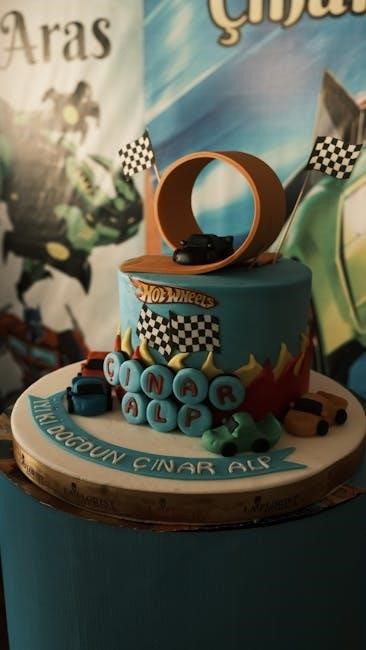
Double-check the alignment of the loop – any bends or kinks will impede the car’s momentum. Utilize the provided support structures to maintain the loop’s circular shape and prevent sagging. A smooth, continuous loop is essential for a successful run, maximizing the excitement and minimizing frustrating interruptions during play.
Attaching the Supports and Stabilizers
Properly securing the supports and stabilizers is paramount for a stable and exhilarating Hot Wheels experience. Insert the support pieces into the designated slots on the track base, ensuring they are firmly planted. These supports bear the weight of the loop, preventing collapses during high-speed runs.
Utilize the stabilizers to reinforce key connection points, minimizing wobble and maximizing structural integrity. Distribute the supports evenly around the loop for balanced support. A well-supported track guarantees consistent performance and reduces the likelihood of frustrating interruptions. Regularly check the supports for tightness, especially after extended play.

Troubleshooting Common Issues
Addressing common problems like stalled cars or track separations ensures continuous fun. AI-driven tools can help refine instructions for smoother, more reliable loop performance.
Car Not Completing the Loop
If your Hot Wheels vehicle fails to complete the loop, several factors could be at play. First, ensure the car possesses sufficient momentum; a stronger launch often resolves this issue. Verify the track’s structural integrity – any bends or misalignments can impede progress.
Check for obstructions along the track, even seemingly minor ones. Also, confirm the loop is assembled correctly, with supports firmly in place. Experiment with different Hot Wheels models; some are better suited for loop-the-loop action due to their weight and wheel design. Utilizing AI-enhanced guides can provide tailored solutions, identifying potential weak points in your setup and offering precise adjustments for optimal performance. Remember, a smooth, consistent track is key!
Track Disconnecting During Play
Frequent track disconnections during Hot Wheels play indicate a problem with the connections between sections. Ensure each piece clicks securely into the next; a firm, audible click is essential. Inspect the connectors themselves for any damage or wear, replacing them if necessary.
The track’s base should be on a level surface to minimize stress on the joints. Avoid excessive force when launching cars, as this can strain the connections. Consider utilizing the provided stabilizers or creating additional supports to reinforce vulnerable areas. AI-driven diagnostic tools can pinpoint weak connection points, suggesting optimal support placement for a more stable and enjoyable racing experience. Consistent checks and careful assembly are vital.
Stability Problems and Collapses
Track collapses often stem from an unstable base or insufficient support. Verify the foundation is perfectly level; even slight inclines amplify stress. Utilize all included support pieces, strategically positioning them under loop sections and connecting joints. Consider supplementing with household items like books or boxes for added reinforcement.
Avoid building the track too high, as increased height exacerbates instability. Gentle car launches are crucial; forceful impacts can overwhelm the structure. AI-powered analysis can identify stress points, recommending optimal support placement. Regularly inspect connections, ensuring they remain secure. A well-supported track guarantees thrilling, uninterrupted play, enhancing the overall experience.
Advanced Track Configurations
Expand your Hot Wheels world! Integrate extensions, create multiple loops, and connect to existing tracks for ultimate customization and thrilling, gravity-defying racing adventures.
Adding Extensions and Additional Sets
Unleash limitless creativity by expanding your Hot Wheels Loop Track with extension packs and additional sets! These additions dramatically increase the track’s length and complexity, offering new challenges and exciting racing possibilities. Consider incorporating booster packs for increased speed and daring jumps, or themed sets to create immersive racing environments.
When integrating extensions, ensure compatibility with your existing track components. Pay close attention to connector types and support structures to maintain stability. Experiment with different configurations – straightaways, curves, and even additional loops – to design a truly unique and personalized racing experience. Remember to prioritize a secure and stable build for uninterrupted, high-speed fun!
Creating Multiple Loops
Elevate the thrill by constructing multiple loops within your Hot Wheels track layout! This advanced configuration demands careful planning and a robust support system. Begin by establishing a solid base structure capable of handling the increased weight and stress. Utilize additional connectors and stabilizers to ensure each loop is securely anchored.
Strategic placement is key; stagger loops to allow sufficient run-up speed and smooth transitions. Consider incorporating banked curves leading into each loop to maintain momentum. Experiment with varying loop sizes and heights for a visually dynamic and challenging racecourse. Prioritize stability – a collapsing loop ruins the fun!
Integrating with Other Hot Wheels Tracks
Expand your racing universe by seamlessly integrating your Hot Wheels Loop Track with existing track collections! Utilize compatible connectors to bridge the gap between loop sections and straightaways, creating a sprawling, interconnected racecourse. Pay close attention to track alignment; smooth transitions are crucial for maintaining speed and preventing derailments.

Incorporate boosters, jumps, and split lanes to add complexity and excitement. Consider elevation changes to maximize the thrill. Ensure the combined track layout is structurally sound, providing adequate support for all sections. Experiment with different configurations to discover unique racing challenges and unlock endless possibilities for high-speed fun!

Safety Precautions
Prioritize safety during assembly and play! Adult supervision is recommended, especially for younger children, to prevent hazards from small parts and ensure stability.
Age Recommendations
Hot Wheels Loop Tracks are generally recommended for children aged 6 years and older. This age range considers the developmental skills needed for assembly, understanding instructions, and safe play. Younger children might require significant adult assistance, potentially diminishing their independent enjoyment and increasing safety risks due to small parts.
While older children and even adults can certainly enjoy building and playing with these tracks, the core experience is tailored for the 6+ demographic. The complexity of some configurations, and the need for fine motor skills during construction, are best suited for this age group. Always assess a child’s individual capabilities before allowing unsupervised play.
Supervision Requirements
Adult supervision is highly recommended, especially for children under the age of 8, during both the assembly and play phases of a Hot Wheels Loop Track. This ensures proper construction, preventing potential instability or collapses. Supervision also helps guide younger children through the instructions and fosters a safer play environment.
Monitoring play allows for immediate intervention if issues arise, such as track disconnections or cars derailing. It’s crucial to reinforce safe play habits, like avoiding launching cars at faces or throwing track pieces. Consistent oversight minimizes the risk of accidents and maximizes the fun, ensuring a positive experience for everyone involved.
Avoiding Small Parts Hazards
Hot Wheels Loop Tracks contain small parts – connectors, supports, and potentially car components – presenting a choking hazard for young children. Keep these pieces away from children under three years old unless constant adult supervision is provided. Regularly inspect the track for any detached or broken pieces and promptly remove them.
Establish a designated play area to contain small parts and facilitate easy cleanup. Teach children to avoid putting track components in their mouths. Store the set securely when not in use, out of reach of toddlers. Prioritizing these precautions minimizes risks and ensures a safe, enjoyable play experience for all.