Indoor plants are increasingly popular, enhancing spaces and well-being. This guide provides essential knowledge for successful plant care, focusing on a downloadable PDF resource.
Why Indoor Plants are Beneficial
Indoor plants offer a multitude of benefits extending far beyond mere aesthetics. They demonstrably improve air quality by absorbing pollutants and releasing fresh oxygen, creating a healthier living environment. Scientific studies reveal houseplants can lower blood pressure and reduce stress levels, fostering a sense of calm and well-being within the home.
Furthermore, incorporating greenery into indoor spaces softens the ambiance and adds a touch of nature, enhancing the overall visual appeal. Plants can also increase humidity, combating dryness, particularly during winter months. This guide, available as a convenient PDF, will equip you with the knowledge to harness these benefits effectively.
Beyond the physiological advantages, tending to houseplants provides a rewarding and therapeutic hobby. Observing their growth and development offers a connection to nature and a sense of accomplishment. A well-maintained indoor garden contributes to a more pleasant and inviting atmosphere, enriching daily life.
The Scope of this Guide (PDF Focus)
This comprehensive guide to indoor plant care is designed to empower both novice and experienced plant enthusiasts. We will cover essential aspects, from understanding basic plant needs – light, water, humidity – to tackling common problems like pests and diseases. A key feature is its accessibility as a downloadable PDF document, allowing for convenient offline reference and printing.
The PDF format ensures the information is readily available whenever and wherever you need it, serving as a practical companion during your plant care journey. We’ll detail fertilizing techniques, repotting procedures, and pruning methods to promote healthy growth. Expect clear, concise instructions and helpful visuals within the PDF.
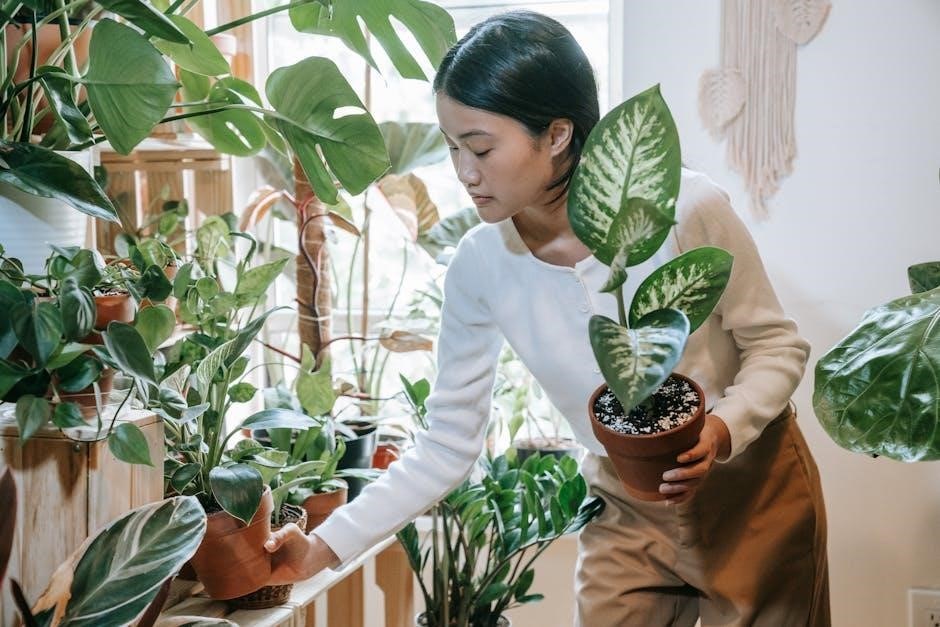
This resource also includes a customizable plant care schedule, also within the PDF, to help you establish a consistent routine. Links to further resources will be provided, expanding your knowledge beyond the scope of this initial guide. Our aim is to provide a complete and user-friendly PDF resource.
Understanding Basic Plant Needs
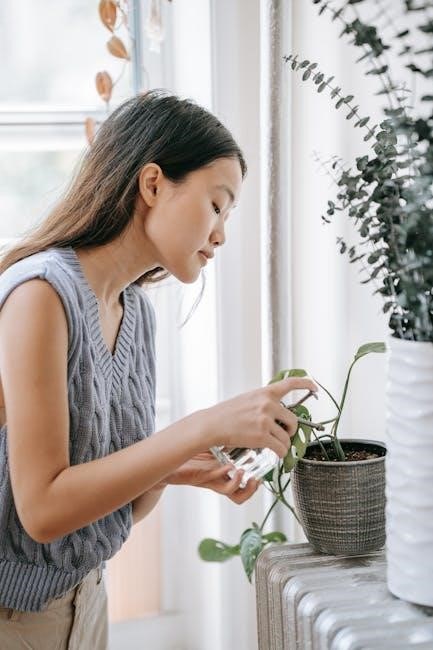
Successful indoor plant care hinges on meeting fundamental requirements: adequate light, proper watering, and suitable humidity and temperature, as detailed in our PDF.
Light Requirements for Indoor Plants
Understanding light is crucial for thriving indoor plants, and our PDF guide offers detailed insights. Plants utilize light for photosynthesis, the process of creating energy. Different species have vastly different light needs, ranging from bright, direct sunlight to low, indirect illumination.
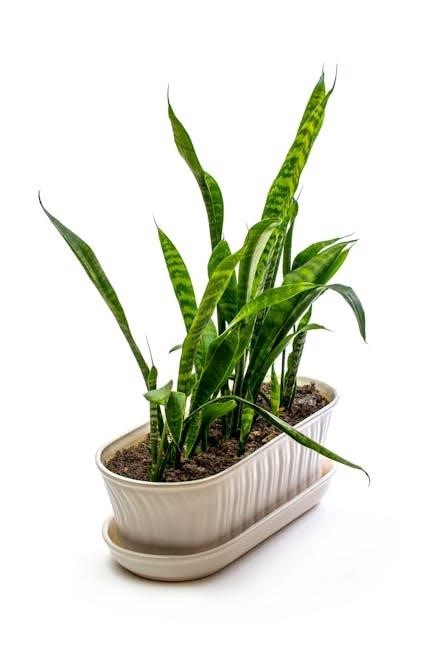
Generally, plants are categorized based on their light preferences. “High-light” plants, like cacti and succulents, require several hours of direct sunlight daily. “Medium-light” plants, such as snake plants and ZZ plants, thrive in bright, indirect light. “Low-light” plants, including peace lilies and cast iron plants, can tolerate shadier conditions.
Insufficient light leads to leggy growth, pale leaves, and reduced flowering. Conversely, excessive light can cause scorched leaves. Observing your plant’s response to its environment is key. Rotate plants regularly to ensure even light exposure. The PDF guide includes a comprehensive chart detailing the specific light requirements for popular indoor plant varieties, helping you create the optimal conditions for growth and vitality.
Watering Techniques: A Comprehensive Approach
Proper watering is fundamental to indoor plant health, and our detailed PDF guide provides a comprehensive approach. Overwatering is a common mistake, leading to root rot, while underwatering causes wilting and stress. The key is to understand each plant’s specific needs and adjust accordingly.
Instead of a rigid schedule, assess the soil moisture before watering. Insert your finger about an inch into the soil; if it feels dry, it’s time to water. Water thoroughly, ensuring excess water drains from the pot’s drainage holes. Avoid letting plants sit in standing water.
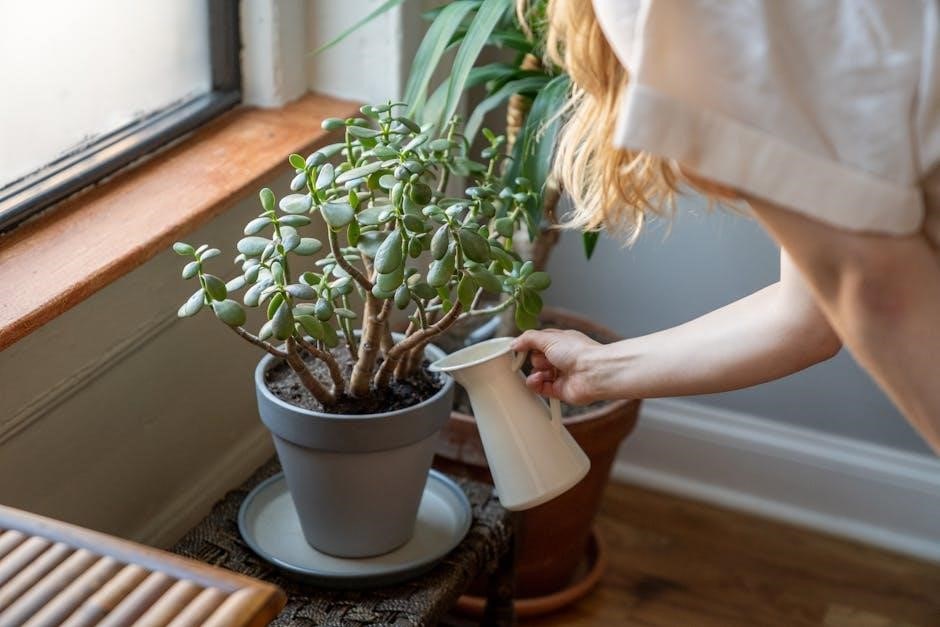
Consider factors like pot material, temperature, and humidity. Terracotta pots dry out faster than plastic ones. Higher temperatures and lower humidity increase water evaporation. The PDF guide offers specific watering recommendations for various plant types, including information on water quality and techniques like bottom watering, ensuring your plants receive the hydration they need to flourish.
Humidity and Temperature Control
Maintaining appropriate humidity and temperature levels is crucial for indoor plant vitality, and our PDF guide details effective strategies. Most houseplants thrive in temperatures between 65-75°F (18-24°C), mirroring typical household conditions. However, sudden temperature fluctuations can stress plants, so avoid placing them near drafts or heating/cooling vents.
Humidity is often a challenge in dry indoor environments. Many houseplants, especially tropical varieties, prefer higher humidity levels. Increase humidity by grouping plants together, using a pebble tray filled with water, or investing in a humidifier.
The downloadable PDF guide provides a detailed list of humidity preferences for common houseplants. It also explains how to monitor humidity levels using a hygrometer and offers practical solutions for adjusting the environment to meet your plants’ needs, promoting healthy growth and preventing issues like brown leaf tips.
Essential Plant Care Practices
Our indoor plant care PDF guide covers vital practices: fertilizing, repotting, and pruning. These techniques ensure healthy growth and a thriving indoor garden.
Fertilizing Your Indoor Plants
Proper fertilization is crucial for vibrant indoor plants, and our comprehensive PDF guide details everything you need to know. Plants obtain nutrients from the soil, but these deplete over time, necessitating supplemental feeding. The guide explains macronutrients – nitrogen, phosphorus, and potassium – and micronutrients, outlining their roles in plant health.
We cover different fertilizer types: liquid, granular, and slow-release, detailing the pros and cons of each. Understanding N-P-K ratios is key; the guide provides examples for various plant types, from foliage plants needing higher nitrogen to flowering plants benefiting from increased phosphorus.
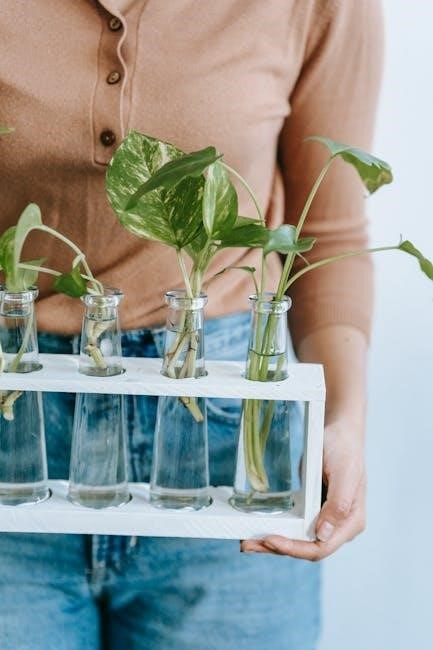
Over-fertilizing can be detrimental, causing fertilizer burn, so our PDF emphasizes following dosage instructions carefully. It also addresses seasonal adjustments – reducing fertilization during dormancy. Learn to recognize nutrient deficiencies through leaf discoloration and stunted growth, and how to correct them using targeted fertilizers. The guide ensures you provide optimal nourishment for flourishing indoor greenery.
Repotting: When and How
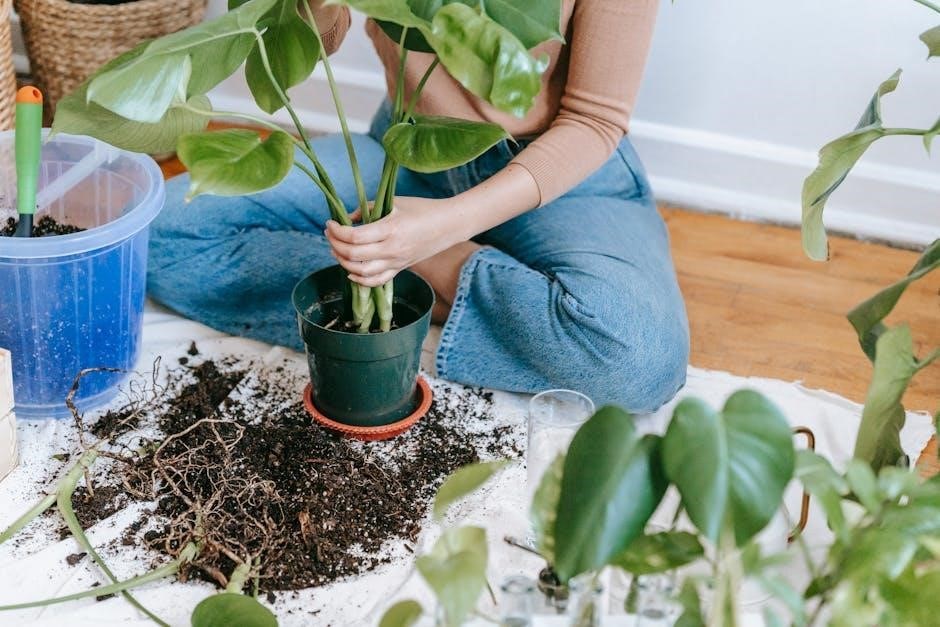
Our detailed PDF guide to indoor plant care dedicates a section to repotting, a vital practice for continued growth. Knowing when to repot is crucial – signs include roots circling the pot, slow growth, or the plant becoming root-bound. The guide explains how to gently remove the plant from its current container, inspecting the root system.
Choosing the right pot is essential. We recommend selecting a pot only slightly larger than the previous one, ensuring adequate drainage. The PDF details appropriate soil mixes for different plant types, emphasizing well-draining options. Step-by-step instructions, accompanied by illustrations, guide you through the repotting process.
We also cover post-repotting care, including watering and providing support if needed. The guide addresses repotting shock and how to minimize stress on the plant. Learn about the best time of year for repotting, typically during the active growing season, and how to handle delicate root systems.
Pruning and Grooming for Healthy Growth
The comprehensive indoor plant care PDF guide emphasizes the importance of pruning and grooming for maintaining healthy, vibrant plants. Pruning isn’t just about aesthetics; it encourages bushier growth and removes damaged or diseased foliage. Our guide details different pruning techniques, including pinching, heading back, and thinning, explaining which method suits various plant types.
Learn to identify and remove yellowing or brown leaves, promoting airflow and preventing the spread of potential issues. The PDF provides clear instructions on using clean, sharp tools to avoid damaging the plant. We also cover how to shape your plants for optimal appearance and space utilization.
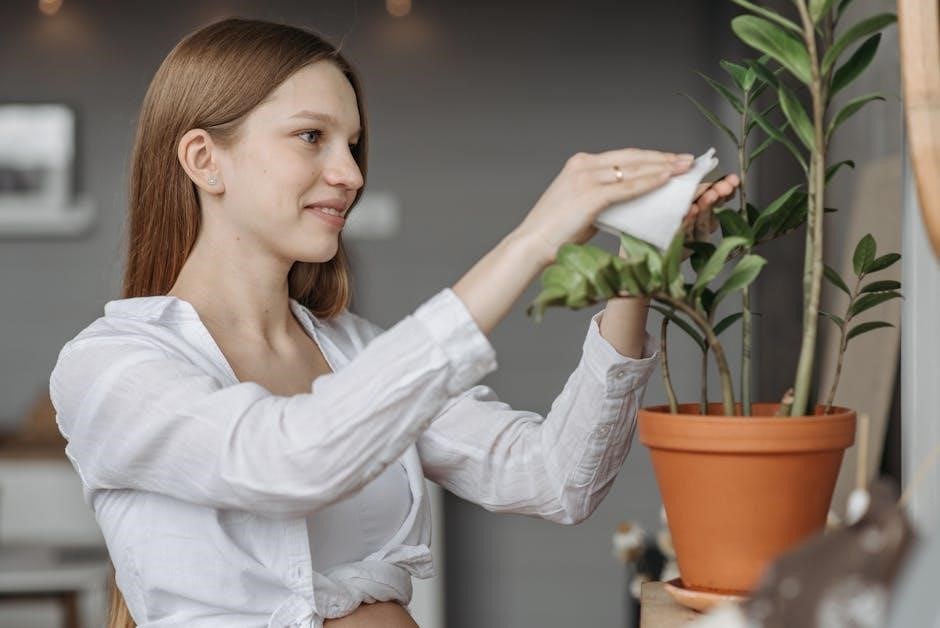
Beyond pruning, grooming includes tasks like wiping leaves to remove dust, allowing for better light absorption. The guide stresses the importance of regular inspection for pests and diseases during grooming sessions. Discover how proper pruning and grooming contribute to a plant’s overall health and longevity, detailed within the downloadable resource.

Common Indoor Plant Problems & Solutions
Our indoor plant care PDF guide offers solutions for pests, diseases, and issues like yellowing leaves, ensuring thriving houseplants and a beautiful indoor garden.
Identifying and Treating Pests
A comprehensive indoor plant care PDF guide must dedicate a section to pest management, as infestations are common. Early identification is crucial; regularly inspect leaves, stems, and the undersides for unwelcome guests. Common culprits include spider mites, mealybugs, aphids, and fungus gnats.
Our guide details how to recognize each pest – noting their appearance and the damage they cause (e.g., webbing from spider mites, sticky residue from aphids). Treatment options range from simple solutions like wiping leaves with insecticidal soap to more robust methods for severe infestations.
The PDF emphasizes preventative measures, such as maintaining good air circulation and avoiding overwatering, which can attract pests. It also outlines the safe use of neem oil, a natural pesticide, and provides guidance on when professional intervention might be necessary. Detailed images within the guide aid in accurate pest identification, empowering you to protect your beloved houseplants effectively.
Recognizing and Addressing Diseases
Our detailed indoor plant care PDF guide doesn’t overlook the importance of disease recognition and treatment. While pests are frequent issues, fungal and bacterial diseases can also threaten indoor plants. The guide provides clear descriptions and visual aids to help identify common ailments like root rot, leaf spot, and powdery mildew.
Understanding the causes of these diseases is key – often linked to overwatering, poor air circulation, or fungal spores already present in the soil. The PDF outlines preventative strategies, including using sterile potting mix and ensuring adequate drainage.
Treatment recommendations range from removing affected leaves and improving ventilation to applying appropriate fungicides. The guide stresses the importance of isolating diseased plants to prevent spread. It also cautions against misdiagnosing nutrient deficiencies as diseases, offering a troubleshooting section to differentiate between the two. A comprehensive approach ensures healthy, thriving houseplants.
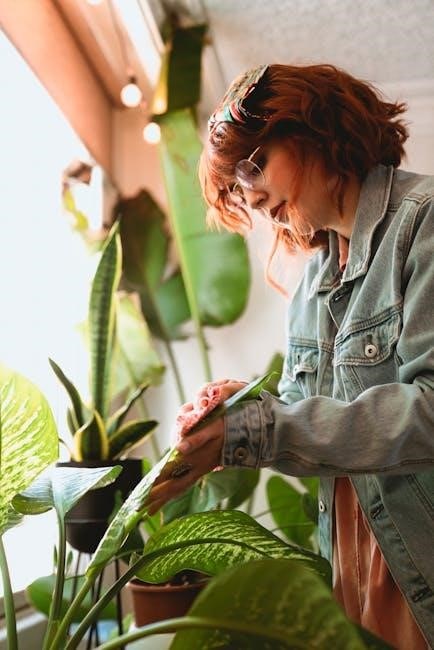
Dealing with Common Plant Issues (Yellowing Leaves, Dropping Leaves)
The indoor plant care PDF guide dedicates significant attention to troubleshooting common problems like yellowing and leaf drop, as these are frequent concerns for plant owners. Yellowing leaves can signal various issues – overwatering, underwatering, nutrient deficiencies, or even pest infestations. Our guide offers a diagnostic flowchart to pinpoint the cause.
Leaf drop, similarly, isn’t always a sign of imminent doom. It can be a natural response to stress, such as changes in light or temperature, or simply seasonal adjustments. The PDF details how to differentiate between normal shedding and problematic defoliation.
Specific solutions are provided for each scenario, including adjusting watering schedules, providing appropriate fertilization, and addressing potential pest problems. The guide emphasizes observation and understanding your plant’s specific needs for effective intervention, ensuring a swift return to health and vibrancy.
Creating a Plant Care Schedule (PDF Checklist)
Our indoor plant care PDF guide includes a customizable checklist for watering, fertilizing, and seasonal adjustments, simplifying plant maintenance and promoting healthy growth.
Developing a Watering and Fertilizing Routine
Establishing a consistent watering and fertilizing routine is paramount for thriving indoor plants. Our comprehensive indoor plant care PDF guide details a structured approach, moving beyond generic advice. Begin by assessing each plant’s individual needs – factors like species, pot size, light exposure, and humidity all influence water requirements.
The PDF checklist emphasizes the “finger test” for soil moisture: insert your finger about an inch deep; if it feels dry, it’s time to water. Avoid overwatering, which can lead to root rot. Fertilizing should complement watering, typically during the growing season (spring and summer).
Our guide recommends a balanced liquid fertilizer, diluted to half strength, applied every 2-4 weeks. Reduce or eliminate fertilizing during dormancy (fall and winter). The PDF provides a customizable schedule, allowing you to track watering and fertilizing dates for each plant, ensuring optimal nutrient delivery and preventing deficiencies. Consistent monitoring and adjustments based on plant response are key to success.
Seasonal Plant Care Adjustments
Indoor plant care isn’t static; it requires adjustments with the changing seasons. Our detailed indoor plant care PDF guide outlines these crucial shifts, ensuring year-round health and vibrancy. As daylight hours decrease in fall and winter, plants enter a period of slower growth, requiring less water and fertilizer.
The PDF stresses reducing watering frequency and ceasing fertilization altogether during dormancy. Lower light levels may necessitate relocating plants to brighter spots, or supplementing with grow lights. Conversely, spring and summer bring increased light and warmth, signaling a resumption of active growth.
Our guide recommends gradually increasing watering and resuming fertilization, using a balanced formula. Be mindful of humidity levels, which tend to be lower indoors during winter heating; consider using a humidifier or pebble tray. The PDF includes a seasonal checklist, prompting you to assess plant needs and make appropriate adjustments, maximizing their well-being throughout the year.
Resources for Further Learning (PDF Links)
To deepen your understanding of indoor plant care, we’ve compiled a list of valuable resources, conveniently accessible as PDF links within our comprehensive guide. These resources extend beyond the basics, offering specialized knowledge for both novice and experienced plant enthusiasts.
Included are links to university extension services – like those from Nebraska (NebGuide) – providing research-backed information on plant physiology and common issues. You’ll find PDFs detailing specific plant species’ needs, troubleshooting guides for pests and diseases, and advanced techniques like propagation and hydroponics.
Our indoor plant care PDF also directs you to reputable online databases and botanical gardens offering detailed plant profiles. These resources empower you to diagnose problems accurately and implement effective solutions. We prioritize sources offering scientifically sound advice, ensuring you receive reliable guidance for nurturing thriving indoor gardens. Explore these links to unlock a world of plant care expertise!